











Aluminum vs. Steel Dump Trailers: Which Is the Better Investment for You?
When you are in the market for a new dump trailer, the decision usually comes down to one fundamental question: Aluminum or Steel? At DL Trailers, we see contractors, landscapers, and farmers grappling with this choice every day. While both materials are designed to haul heavy loads and dump them efficiently, they offer vastly different long-term experiences. Choosing the right one depends on what you are hauling, where you live, and how much you value your payload capacity.
In this guide, we’ll break down the “Weight vs. Rust” debate to help you decide which trailer belongs behind your truck.
- The Weight Debate: Payload Capacity and Towing Efficiency
One of the most frequent questions we get is: “How much does the weight of the trailer actually matter?” The answer: It matters for every single mile you drive.
The 30% Advantage
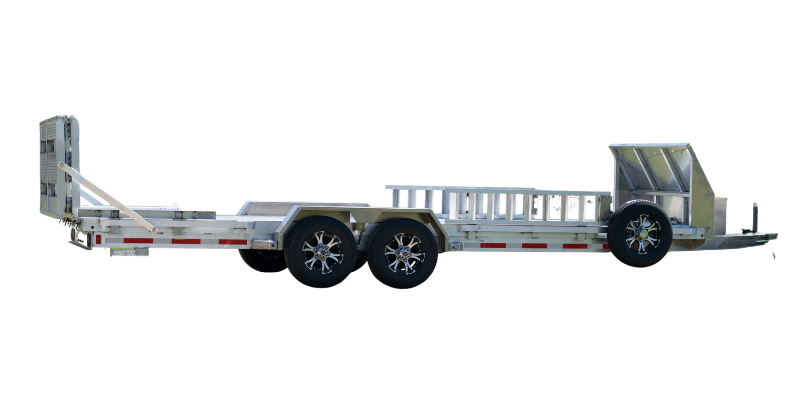
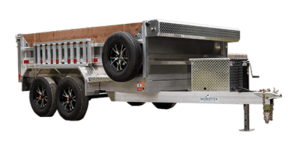
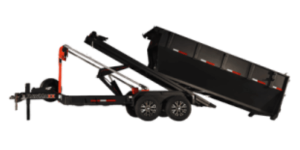
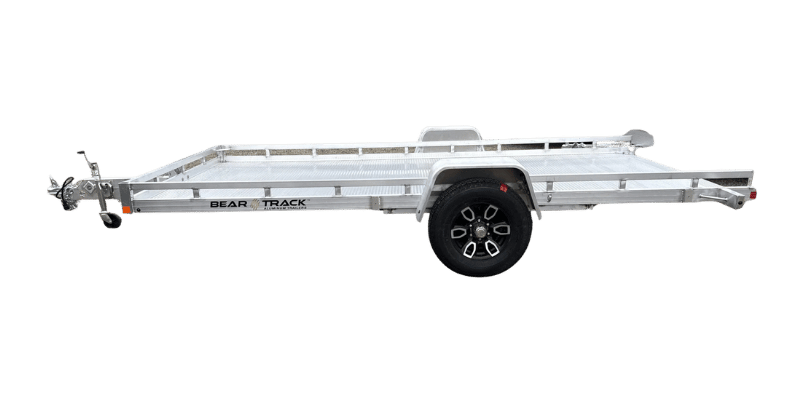
On average, an aluminum dump trailer is 30% to 40% lighter than a steel trailer of the same size. For example, a standard 82×14 steel dump trailer might weigh around 4,500 lbs empty, whereas a Nordtek aluminum model of the same dimensions might weigh closer to 3,000 lbs.
Why Weight Matters for Your Bottom Line
The lighter weight of an aluminum trailer provides two massive advantages:
- Higher Payload Capacity: Every pound you save on the trailer’s frame is a pound you can add to your cargo. If your truck has a towing limit of 14,000 lbs, an aluminum trailer allows you to carry significantly more mulch, gravel, or equipment before hitting your legal limit.
- Fuel Efficiency and Wear: Towing a lighter trailer puts less strain on your truck’s engine and transmission. Over years of use, this translates to thousands of dollars saved in fuel costs and fewer trips to the mechanic for your tow vehicle.
- The Rust Factor: Aluminum’s Natural Advantage
For many customers in the Midwest regions, the biggest enemy of a trailer isn’t the load—it’s the weather.
“No Rust” Means No Worries
The primary selling point for aluminum is that it does not rust. When aluminum is exposed to the elements, it forms a thin, protective layer of aluminum oxide. This layer acts as a shield, preventing deeper corrosion.
Steel, on the other hand, is highly susceptible to oxidation. Even with high-quality powder coating or paint, a single rock chip or scratch in the bed can expose the raw steel to moisture and road salt. Once rust starts on a steel trailer, it is difficult to stop and can eventually compromise the structural integrity of the frame.
Aesthetics and Resale Value
Because aluminum doesn’t rust, it retains its “like-new” look for much longer. When it comes time to upgrade your fleet, an aluminum trailer often commands a much higher resale value. Buyers are willing to pay a premium for a used trailer they know isn’t hiding structural rot under a fresh coat of paint.
- Durability and Strength: Where Steel Still Reigns
If aluminum is lighter and doesn’t rust, why does anyone still buy steel? The answer lies in impact resistance.
Handling the “Hard Stuff”
Steel is a denser, harder metal than aluminum. If your daily work involves dumping heavy, abrasive materials like:
* Large jagged boulders
* Concrete demolition debris
* Heavy scrap metal
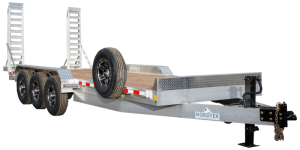
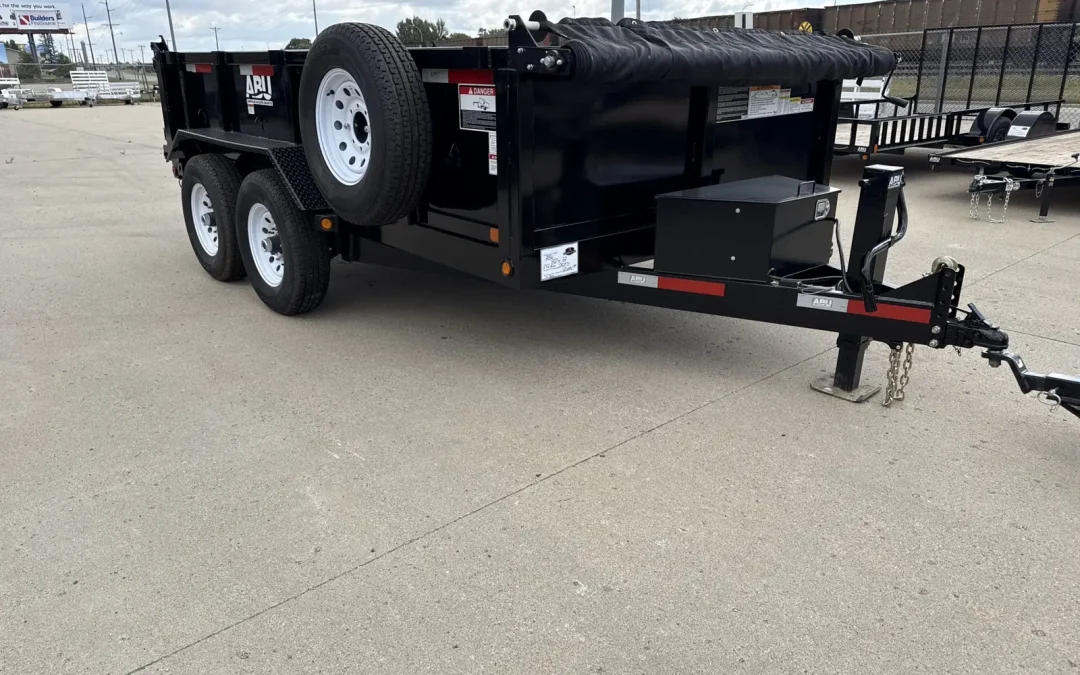
A steel trailer like those from ABU or RawMaxx might be the better choice for you. Aluminum is a “softer” metal; while it is incredibly strong for its weight, it can be more prone to denting or gouging when heavy rocks are dropped into the bed from a height.
Structural Rigidity
Steel has a higher “modulus of elasticity,” meaning it is stiffer. For extreme heavy-duty industrial applications where the trailer frame is under constant, massive stress, steel remains the gold standard for pure ruggedness.
- Maintenance and Repairability
Every trailer requires maintenance, but the type of maintenance differs between the two materials.
Maintaining Steel
A steel trailer requires a proactive approach. To keep rust at bay, you must:
* Inspect for paint chips and scratches regularly.
* Touch up any exposed metal immediately.
* Power wash the undercarriage after driving on salted roads.
Maintaining Aluminum
Aluminum is largely “set it and forget it” regarding the frame. However, aluminum requires specialized welding. If you do manage to crack a frame or damage a side rail, you can’t just take it to any shop with a standard MIG welder. You’ll need a technician skilled in aluminum TIG or MIG welding.
- Price Point: Upfront Investment vs. Long-Term ROI
There is no getting around it: Aluminum trailers cost more upfront.
The Price Gap
Depending on the size and features, you can expect to pay 25% to 35% more for an aluminum dump trailer. At DL Trailers, for instance, a 2026 Nordtek Aluminum Dump might sit at a higher price point than a comparable ABU steel model.
Calculating the ROI
To decide if the extra cost is worth it, ask yourself:
How long will I keep this? If you plan to keep the trailer for 10+ years, the lack of rust and higher resale value make aluminum the cheaper option in the long run.
How many miles will I drive? If you are a hotshot hauler or a busy contractor driving hundreds of miles a week, the fuel savings alone can pay for the price difference in just a few years.
What is the environment? If you live in an area with heavy snow and road salt, a steel trailer will likely require a complete sandblast and repaint within 5–7 years, an expense you’ll never have with aluminum.
- Comparing the Brands at DL Trailers
We carry the best in the business to ensure you have the right tool for the job.
Ambush Trailers (The Aluminum Specialists)
Ambush Trailers are our top recommendation for those seeking the ultimate lightweight, rust-free experience. Their aluminum trailers are built for reliability and deliver unmatched strength and versatility.
ABU and RawMaxx (The Steel Powerhouses)
For the contractor who needs a trailer that can take a literal beating, ABU and RawMaxx offer some of the toughest steel dump trailers on the market. These are perfect for demolition, heavy excavation, and users who prioritize a lower initial purchase price.
Which One Should You Choose?
Choose Aluminum if:
* You want the highest possible payload capacity.
* You want a trailer that will never rust.
* You plan on keeping the trailer for more than 5 years.
* You want to save on fuel and truck maintenance.
Choose Steel if:
* You are hauling heavy, abrasive materials like boulders or concrete.
* You are on a strict budget for your initial purchase.
* Your trailer will be used in an environment where it’s likely to get severely dented.
Ready to find your next trailer?
Whether you need the rust-proof efficiency of a Nordtek Aluminum or the rugged strength of an ABU Steel, our experts at DL Trailers have the inventory to get you to work.
Visit us at DL Trailers today in Detroit Lakes or Rochester, or browse our inventory online.